
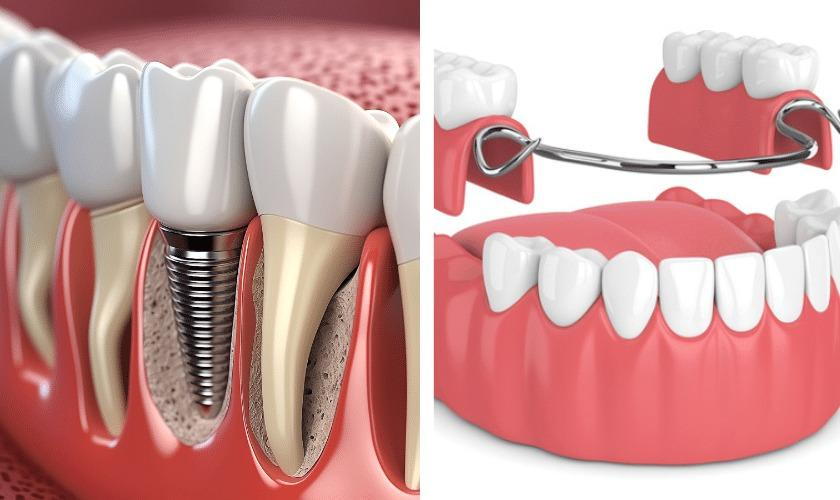
Dental Implants vs. Dentures: Which Is Right for You?

Tooth loss can impact your life in many ways – from how you eat to your self-confidence. Fortunately, there are reliable ways to restore your smile. Two of the most common options are dentures and dental implants. If you’re in Denver and trying to decide between these solutions, this guide will compare implants and dentures to help you make an informed choice.
Stability and Comfort: Dental implants are securely anchored in your jaw, which means they function like real teeth. You can bite into a steak or crunchy veggies without fear of movement. Dentures, on the other hand, rest on top of your gums and rely on suction or adhesives. Even a well-made denture can shift slightly when chewing or speaking, and it may take time to get used to. Many denture wearers experience sore spots or difficulty with certain foods. Implants clearly win for stability – they give you confidence in everyday activities.
Impact on Jawbone: When you wear a full or partial denture, it does not stimulate the underlying bone. Over time, the jawbone beneath a denture can shrink, altering the fit of the denture (often requiring adjustments or relines). In contrast, implants preserve the bone by acting like tooth roots. For patients hoping to prevent the sunken facial appearance that can accompany long-term denture use, implants are the preferable choice. They help maintain your natural face shape by supporting the bone structure.
Aesthetics and Feel: Modern dentures are crafted to look natural, but they are still removable prosthetics. There might be slight acrylic edges or metal clasps (for partials) visible, and the prosthetic covers areas of your mouth (like the palate for upper dentures). Dental implants topped with porcelain crowns are virtually indistinguishable from natural teeth – nothing plastic or artificial showing. Implants also feel more natural; you won’t have a plate covering your palate, and you’ll experience the taste and temperature of foods normally. Many patients describe implants as “having my teeth back,” whereas dentures, while improved, still feel like an aid.
Maintenance: Dentures require daily removal for cleaning, soaking, and oral hygiene for your gums. You must be diligent to prevent infections like denture stomatitis. With implants, maintenance is simpler: brush and floss them along with your natural teeth. There’s no need for special cleaning solutions (though water flossers and inter-dental brushes can help around implants). Also, denture wearers often need periodic adhesive use and must handle their appliance with care (avoiding dropping it). Implants eliminate those hassles – they stay in your mouth permanently.
Cost and Longevity: Dentures generally have a lower upfront cost than getting multiple implants. This makes dentures more accessible for some budgets initially. However, dentures may need replacement every 5-8 years as they wear or as your gums change. Dental implants involve a higher initial investment, but they are long-lasting. Importantly, many patients find the improved quality of life with implants well worth the cost. It’s also possible to combine approaches – for example, implant-supported dentures use a few implants to stabilize a denture, offering a middle ground in terms of cost and stability. Our Denver office can discuss financial options, including insurance and payment plans, to help make implants affordable if you prefer that route.
Which Should You Choose? The answer depends on your unique situation: how many teeth are missing, the health of your gums and bone, and your lifestyle and preferences. If you value a fixed solution and want to preserve jawbone and maximum function, dental implants are often the best choice. If you need a quick solution for multiple missing teeth or have certain health considerations, modern dentures could serve you well, potentially as a stepping stone to implants later.
At Accord Dental, we’ve helped patients restore their smiles with both approaches. Our team can evaluate your oral health and discuss all pros and cons with you one-on-one. Contact us to schedule a consultation in Denver – we’ll help you find the option that fits your needs, so you can smile, eat, and speak with confidence again.

